
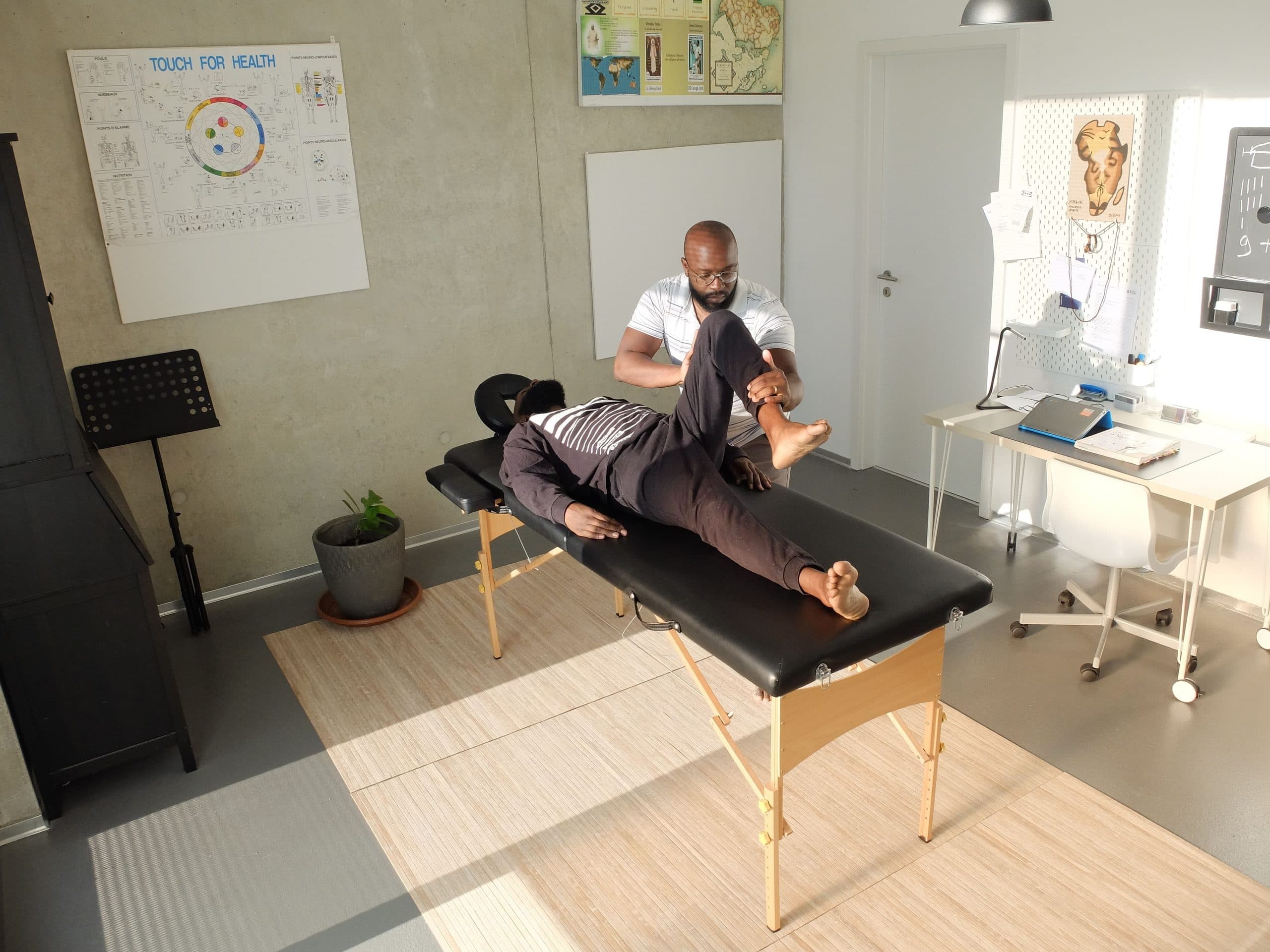
You may have been dealing with a painful shoulder for weeks, or you have just had knee surgery and are unsure how to recover. Perhaps you have chronic back complaints that simply won't go away. In all these situations a physiotherapist can help you. But what does a physiotherapist actually do, and what makes the profession so broad and versatile?
Physiotherapy is a paramedical profession focused on restoring, improving and maintaining people's ability to move. The Dutch professional body KNGF describes physiotherapy as a scientifically grounded discipline in which the physiotherapist maps the causes of movement problems and draws up a personalised treatment plan. The goal is not just to relieve pain, but also to prevent new complaints and increase independence.
1.Physiotherapy: a medical profession
A common misconception is that physiotherapy consists mainly of massages and heat application. That picture no longer matches modern practice. The contemporary physiotherapist works evidence-based: treatments are grounded in scientific research, KNGF clinical guidelines and the individual patient's situation. This means a physiotherapist diagnoses, treats and guides, just as a GP or specialist does, but specifically focused on the musculoskeletal system.

2.The first appointment
A first appointment always begins with an extensive anamnesis: a conversation about your complaints, their history and your personal situation. The physiotherapist asks targeted questions: when did the complaints start, what makes them worse or better, how do they affect your daily life and work? Red flags are also assessed: symptoms that may point to an underlying condition not treatable with physiotherapy, such as tumours or serious spinal pathology.
The conversation is followed by a physical examination. Depending on the complaint, posture, range of motion, muscle strength, flexibility and neurological functions are assessed. Based on all this information the physiotherapist formulates a working diagnosis. A first appointment typically lasts 45 to 60 minutes, as intake and examination take place in one session.
3.How is a treatment plan drawn up?
The treatment plan is always tailored to the individual. There is no standard duration for a treatment trajectory: some complaints are resolved within three to five sessions, while complex rehabilitation programmes may last months. When drawing up the plan, the physiotherapist takes into account your personal goals, the expected recovery trajectory based on scientific literature and practical factors such as your work and daily life.

4.Which techniques does a physiotherapist use?
The range of techniques a physiotherapist deploys is broad. Manual therapy involves using the hands to mobilise joints and soft tissues, with the aim of improving mobility and reducing pain. Dry needling is a technique in which thin needles are inserted into trigger points to reduce muscle tension. It should not be confused with acupuncture: dry needling is entirely based on anatomy and neurology.
For persistent tendon inflammation or chronic pain points, shockwave therapy can be used. Sound waves stimulate damaged tissues to regenerate. Diagnostic ultrasound makes it possible to visualise muscles, tendons and joint capsules in real time, significantly increasing diagnostic accuracy. Exercise therapy forms the core of the treatment for almost all conditions.
5.Do you need a referral?
Since the introduction of Direct Access Physiotherapy in the Netherlands in 2006, you can in most cases make an appointment directly with a physiotherapist, without a referral from your GP. The physiotherapist assesses whether your complaint is suitable for physiotherapy. If signs of a more serious medical problem are found, you will be referred to a GP or specialist.
6.Insurance and reimbursement
In the Netherlands, physiotherapy is not covered by basic health insurance unless you have a condition on the official chronic conditions list, such as Parkinson's disease, COPD, arthrosis after joint replacement or lymphoedema. For all other complaints, you depend on your supplementary insurance. The number of sessions reimbursed varies considerably by policy. Fysiotherapie Wennekers is registered with all major health insurers.
Do you have complaints and want to know whether physiotherapy is the right choice for you? Book an appointment or get in touch. We are happy to answer your questions.

Menno Wennekers
Physiotherapist
10 April 2025 · 7 min read